Why Lehi's Clay Soil Makes Water Damage Worse (and What to Do)
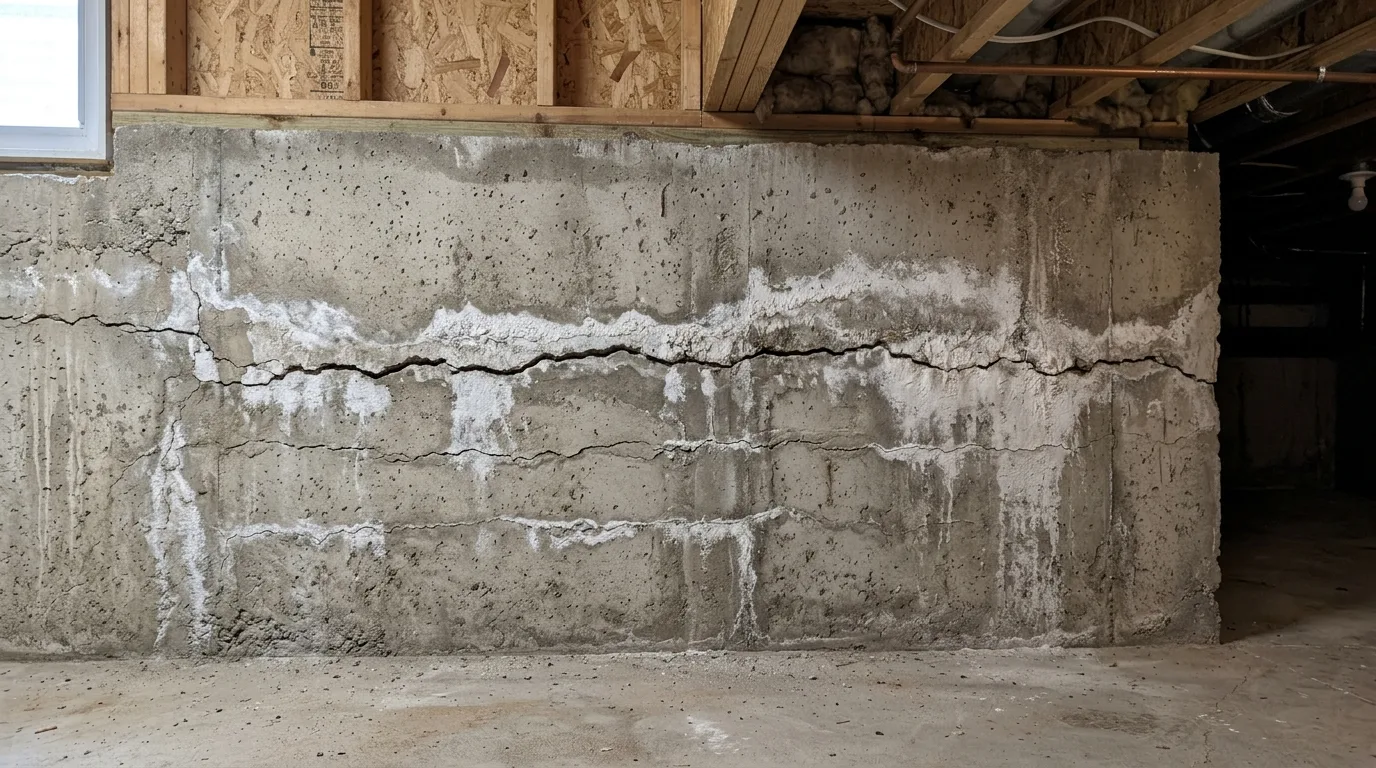
By the time many Lehi homeowners call for water damage restoration, they’ve already discovered that the problem is worse than it looked. A small crack in the basement wall has let in gallons of water. A slow leak under the kitchen sink has saturated the sub-flooring across a 10-foot radius. What looks like surface moisture is actually deep saturation. The reason — almost always — is clay soil. In this post, we cover what Lehi’s expansive clay soil does to your home during water events, why it makes damage worse than in other regions, and what practical steps you can take to reduce the risk.
Water Damage Getting Worse Despite Drying?
Lehi's clay soil may be the reason. Call (877) 698-1311 for professional assessment.
Why Lehi Sits on Expansive Clay Soil
Utah Valley’s soil profile is dominated by lake sediment deposits left by ancient Lake Bonneville, the prehistoric lake that once covered much of the Great Basin. The fine-grained, clay-rich sediments that settled on Lake Bonneville’s floor are now the foundation material under most of Utah County — including Lehi, American Fork, and Saratoga Springs.
Clay minerals have a crystalline structure that absorbs water molecules between layers, causing the mineral itself to expand in volume. Some Utah clays expand 20–30% when fully saturated. When this soil dries — during Lehi’s hot, dry summers — it contracts by a similar proportion. This expansion and contraction cycle happens every year, and it acts as a slow-motion physical force on everything in contact with the soil: foundations, buried pipes, drainage systems, and retaining walls.
How Clay Soil Amplifies Water Damage
Foundation cracking: The swelling pressure of saturated clay against concrete foundation walls can exceed the design strength of residential foundations, particularly in older construction and homes where waterproofing membranes have deteriorated. Cracks that open during expansion allow water entry; the wet soil holds moisture against the crack, keeping it open and allowing continuous seepage. Historic Downtown Lehi’s pre-1950s adobe and brick homes are particularly vulnerable because their construction predates modern foundation waterproofing standards.
Drainage failure: Clay soil’s low permeability means water doesn’t drain through it — it drains around it or sits on top of it. When the soil is saturated, there’s nowhere for additional rainfall or snowmelt to go, so it follows the path of least resistance: down foundation walls, through window wells, and into the lowest points of structures. Homeowners in Traverse Mountain who installed landscaping that slopes toward the foundation, or who have settled gutters that discharge against the house, see clay soil’s drainage failure play out in every spring storm.
Pipe stress and failure: Buried water lines and sewer laterals experience the same expansion and contraction forces as foundations. The annual movement cycle causes joint separation, micro-fractures, and root intrusion pathways in plastic and clay pipe. Burst pipe repair calls in Lehi that originate from pipe sections under the slab are often driven by this soil movement rather than by pipe age alone.
Moisture retention against walls: Unlike sandy soil, which drains away from foundation walls after a rain event, clay soil holds moisture against the surface for days or weeks after the precipitation has ended. This extended moisture contact drives slow seepage through hairline cracks that would never cause problems in a well-drained sandy-soil environment.
Foundation Moisture or Basement Flooding in Lehi?
Clay soil problems require specialized assessment. Call (877) 698-1311 for a free evaluation.
What Lehi Homeowners Can Do
Correct grading immediately around the foundation. The most impactful low-cost action: ensure the ground slopes away from your foundation at 6 inches per 10 feet of horizontal distance. Settled soil around Lehi homes — particularly in newer developments — often reverses this slope over 3–5 years, and correcting it is straightforward. Read our flood risk preparation guide for additional exterior preparation steps.
Install or upgrade your drainage system. French drains and interior perimeter drainage systems intercept water before it reaches the foundation wall. For Lehi’s clay soil conditions, a properly designed interior drainage system is often more reliable than exterior waterproofing alone because it manages water migration that clay soil makes inevitable. See our basement waterproofing service page for Utah County-specific drainage solutions.
Address foundation cracks immediately. In sandy soil, a small crack may admit a small amount of water and stop. In clay soil, the same crack allows sustained moisture contact that widens the crack over subsequent seasons. Polyurethane crack injection stops water entry and is far less expensive than the structural repair needed after years of expansion damage.
Use professional drying equipment after any water event. Lehi’s semi-arid surface climate creates a false impression that moisture is resolving on its own. Clay soil adjacent to the foundation maintains a moisture reservoir that continuously reintroduces humidity into basement spaces, even after surface water appears gone. Professional moisture meters confirm complete drying — visual assessment in Lehi is not sufficient.
Types of Water Damage Clay Soil Causes
- Seepage flooding: Not from an event, but from sustained soil moisture pressure during wet seasons
- Structural cracks: Foundation wall cracks from expansion pressure
- Sewer lateral failure: Pipe joint separation from seasonal ground movement
- Sump pump overwork: Continuous hydrostatic pressure that keeps sump pumps running year-round
- Basement wall efflorescence: Mineral deposits indicating water migration through concrete
- Settling and drainage reversal: Soil movement that redirects surface water toward foundations
How This Affects Restoration Work
When we respond to water damage in Lehi, clay soil is always in the diagnostic picture. It affects how long structural drying takes — materials adjacent to clay-soil foundations retain moisture longer than those in well-drained environments. It affects where we place drying equipment — basement perimeter positions are critical because clay-retained moisture reintroduces humidity from below. And it affects the moisture goals we target: the baseline moisture content for materials in contact with or adjacent to clay soil needs to be confirmed with multiple readings over time, not a single point-in-time check.
How It Works: The Seasonal Cycle
Lehi’s clay soil damage cycle follows a predictable seasonal pattern. Fall: soil is dry from summer, cracks have opened where the clay contracted. Winter: freeze-thaw cycles begin — freezing soil expands differently than wet clay, adding an additional force on foundation walls. Spring: rapid snowmelt plus rain saturates soil simultaneously, peak swelling pressure occurs, and water finds every pathway into structures. Summer: rapid evaporation dries surface soil while deeper clay retains moisture and begins contracting, opening new cracks for the following season.
Understanding this cycle helps Lehi homeowners time their maintenance correctly: fall is the best window for sealing cracks and installing drainage before the freeze-thaw cycle begins, not spring after damage has already occurred.
Frequently Asked Questions
Does Lehi’s clay soil affect all homes equally?
No — homes on hillside bench positions like Traverse Mountain may have more variable soil compositions including fill material from construction grading. Homes in the Jordan Willows area near the Jordan River floodplain sit on the deepest, most uniform clay deposits. Historic Downtown Lehi homes sit on older, more consolidated soil that may behave differently from newer development areas. A site-specific assessment tells you where your property sits in this range. Read the complete Lehi water damage guide for more context on local conditions.
Can I fix clay soil problems myself?
Grading correction and downspout extension are DIY-feasible. Foundation crack injection, interior drainage system installation, and professional moisture assessment require specialized equipment and expertise — attempting these incorrectly can make the underlying problem worse. The basement waterproofing service page explains what each approach involves and when professional installation is necessary.
How do I know if clay soil is causing my water damage?
Signs that clay soil is a contributing factor: water appears in your basement only after extended wet periods (not just during storms), efflorescence deposits on walls, horizontal foundation cracks (usually from lateral pressure), or recurring moisture even after apparent drying. A professional moisture assessment with thermal imaging identifies where water is entering and whether soil-driven hydrostatic pressure is involved.
Related Resources:
- Is your Lehi home at flood risk? Flood zones and preparation guide
- New home vs. historic home: water damage risks across Lehi neighborhoods
- Water damage restoration Lehi: the complete guide for 2026
Lehi Clay Soil Water Damage — Get Expert Help
We understand Utah County's soil conditions. Call (877) 698-1311 for an assessment that accounts for your property's specific clay soil situation.