Is Your Lehi Home at Risk? Flood Zones and Preparation Guide
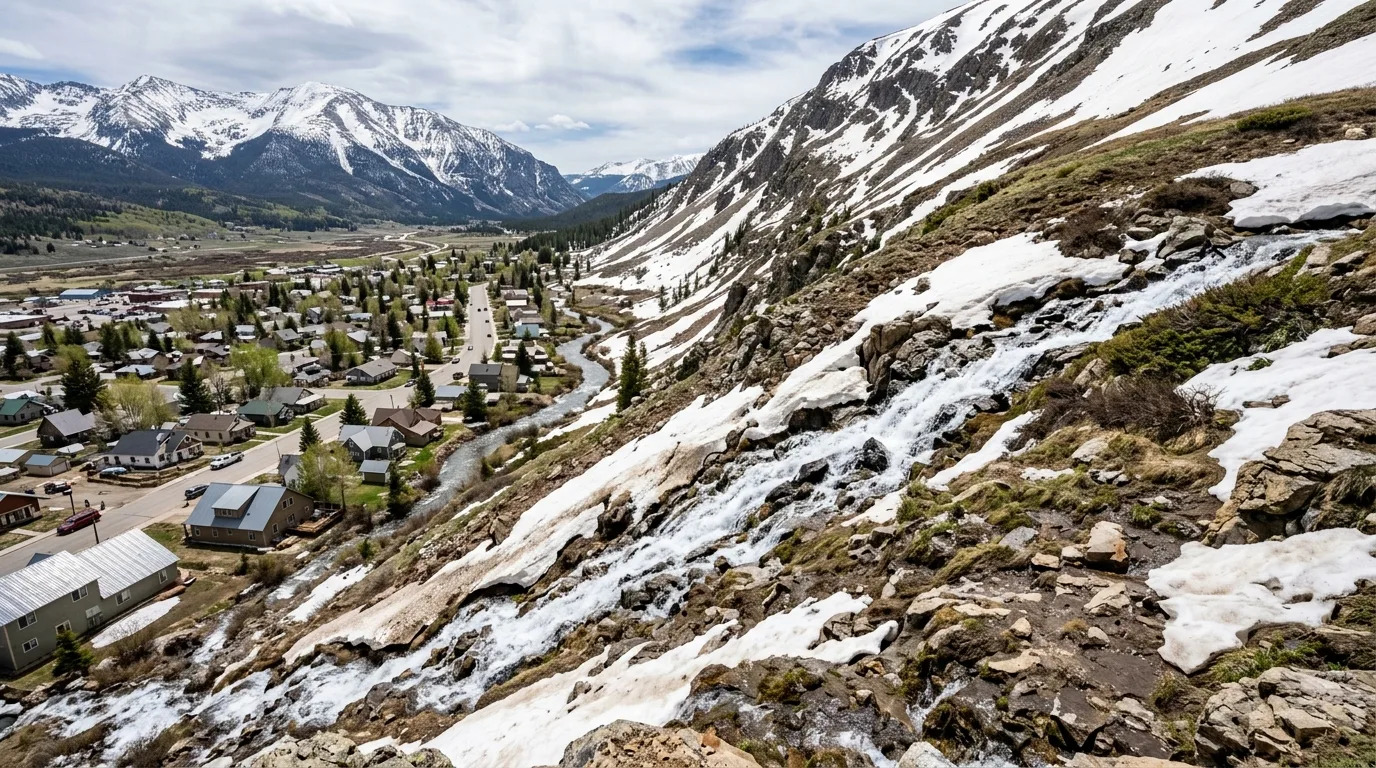
Nearly one in seven Lehi properties faces significant flood risk over the next 30 years — a rate that surprises many homeowners who associate flooding with coastal cities, not landlocked Utah. In this guide, we break down exactly which parts of Lehi carry the highest risk, what factors drive that risk, and what homeowners can do to prepare before the next spring flood season arrives.
In this post, we cover Lehi’s flood zone geography, risk factors by neighborhood, how to determine your property’s risk, insurance options, and practical preparation steps for Utah County homeowners.
Already Experienced Flooding in Lehi?
Call (877) 698-1311 for 24/7 flood damage cleanup throughout Utah County.
Why Lehi Has Significant Flood Risk
Lehi’s flood risk stems from three converging geographic realities that most residents don’t fully appreciate until they experience their first major flood event.
Utah Lake proximity: Utah Lake sits approximately 5 miles southwest of Lehi’s urban core. During high-water years, Provo River inflow and reduced evaporation can raise the lake to levels that threaten low-lying properties on its northern shore. Saratoga Springs, which borders the lake directly, faces the highest lake-related flood exposure of any Utah County community adjacent to Lehi.
Jordan River corridor: The Jordan River runs along Lehi’s western boundary, defining the western edge of the city before flowing north toward Salt Lake. The Jordan River Parkway — a recreational trail that runs through this floodplain — marks a zone of elevated flood risk. The Jordan Willows neighborhood, positioned near this corridor, faces higher flood exposure than inland Lehi developments. During peak spring runoff, the Jordan River can rise rapidly from combined snowmelt and tributary inflows.
Wasatch Mountain runoff channels: Flash flood channels descend eastward from the Wasatch Mountains through canyon corridors. When brief, intense thunderstorms hit the Wasatch in summer, or when spring snowmelt volume exceeds channel capacity, flash floods can move through these channels with very little warning. First Street Foundation data identifies 3,935 Lehi properties facing meaningful flood risk over 30 years — a 13.7% rate for the city.
How to Determine Your Lehi Property’s Flood Risk
FEMA maintains official Flood Insurance Rate Maps (FIRMs) that define Special Flood Hazard Areas — zones where federal flood insurance may be required and where flood risk is formally designated. You can look up your Lehi property’s flood zone designation on FEMA’s Map Service Center or through the city’s GIS mapping tools.
Properties in FEMA Zone A or Zone AE are in the 100-year floodplain and carry the highest designation-based risk. Properties outside these zones can still flood — Lehi’s flash flood and high water table risks extend beyond FEMA-designated zones — but FEMA maps are the starting point for insurance and permitting purposes. The Lehi City planning department can answer questions about your specific parcel’s designation.
Beyond FEMA maps, consider your property’s physical position: low-lying areas, properties adjacent to drainage channels, homes on flat terrain with limited slope away from the foundation, and properties within a few hundred feet of the Jordan River corridor all carry elevated risk that may not be fully captured by FEMA’s mapping.
Flood Risk by Lehi Neighborhood
Jordan Willows: Adjacent to the Jordan River floodplain on Lehi’s west side, this neighborhood carries the highest direct flood risk of any Lehi area. Spring runoff events that raise the Jordan River affect this zone most directly.
Historic Downtown Lehi: The original Lehi townsite sits in a relatively low position with older drainage infrastructure that was not designed for the city’s current population. Pre-1950s construction — adobe and brick homes that absorb water readily — is concentrated here. Sewer surcharge events during heavy storms affect older infrastructure in this area disproportionately.
Traverse Mountain: Positioned on the east bench above the main city, Traverse Mountain’s primary risk is hillside runoff rather than Jordan River or lake flooding. Homes built on disturbed soil during construction can experience improper drainage that directs water toward rather than away from foundations, and the 30-inch frost line in Lehi creates freeze-thaw cycles that stress foundation waterproofing in ways that lower-elevation neighborhoods don’t experience to the same degree.
Thanksgiving Village / Thanksgiving Meadows: These established neighborhoods near Thanksgiving Point sit in relatively mid-elevation terrain. Risk is primarily from drainage overwhelm during heavy rain events rather than river flooding. The community pool and other infrastructure can contribute localized drainage issues during peak events.
Flood Risk Assessment for Your Lehi Property
Get a free on-site assessment before the next spring flood season. Call (877) 698-1311.
What You Can Do to Prepare
Install a sump pump with battery backup. Every Lehi basement should have a sump pump — and the backup battery component is critical. Power outages frequently accompany the storms that cause flooding, disabling electric-only sump pumps precisely when they’re needed most. Read our sump pump failure guide for Utah County for system selection advice.
Maintain and clean gutters and downspouts. Clogged gutters are one of the most common causes of roof-to-wall water intrusion and foundation flooding. Fall gutter cleaning is particularly important before Lehi’s spring runoff season. Extend downspouts to discharge at least 6 feet from the foundation.
Check and correct your grading. The ground around your home should slope away from the foundation at a rate of at least 6 inches over 10 feet. Over time, soil settles and grading can reverse, directing water toward the foundation. This is especially common in Traverse Mountain homes where construction disturbance altered natural drainage patterns.
Know your water shutoff. Locate and test your main water shutoff so you can cut supply immediately when a burst pipe occurs. Burst pipes are the most common Category 1 water damage event in Lehi during winter.
Review your insurance. Standard homeowners policies typically exclude external flooding. If your property is near the Jordan River corridor or in a low-lying area, a separate FEMA flood insurance policy may be worth the premium. Our insurance guide for Lehi homeowners covers policy gaps in detail.
Frequently Asked Questions
Which Lehi neighborhoods are at the highest flood risk?
Jordan Willows, near the Jordan River floodplain, carries the highest direct flood risk. Historic Downtown Lehi faces older infrastructure vulnerability. Lower-lying areas near Utah Lake on the Saratoga Springs border face lake-related risk. Read our full water damage guide for Lehi for a comprehensive risk overview.
Does being outside a FEMA flood zone mean I’m safe from flooding?
No — FEMA flood zones identify the 100-year floodplain but do not capture all flood risk. Lehi’s flash flood channels, clay-soil drainage failures, and sewer surcharge events cause flooding in areas that FEMA maps classify as low risk. Thirteen point seven percent of Lehi properties face meaningful flood risk according to First Street Foundation modeling, which considers factors beyond official FEMA designations.
What’s the most important thing I can do to prepare my Lehi home for flooding?
Install a sump pump with battery backup if you don’t have one, and ensure your property grading directs water away from the foundation. These two actions prevent the most common basement flooding scenarios in Lehi. Also read our clay soil and water damage guide to understand how Lehi’s soil conditions amplify every water event.
Related Resources:
- Water damage restoration Lehi: the complete guide for 2026
- Why Lehi’s clay soil makes water damage worse
- Does homeowners insurance cover water damage in Lehi?
Protect Your Lehi Home Before the Next Flood
Professional assessment, waterproofing, and 24/7 emergency response. Call (877) 698-1311.