Thanksgiving Point Area: Water Damage Risks for Lehi Landmark Neighbors
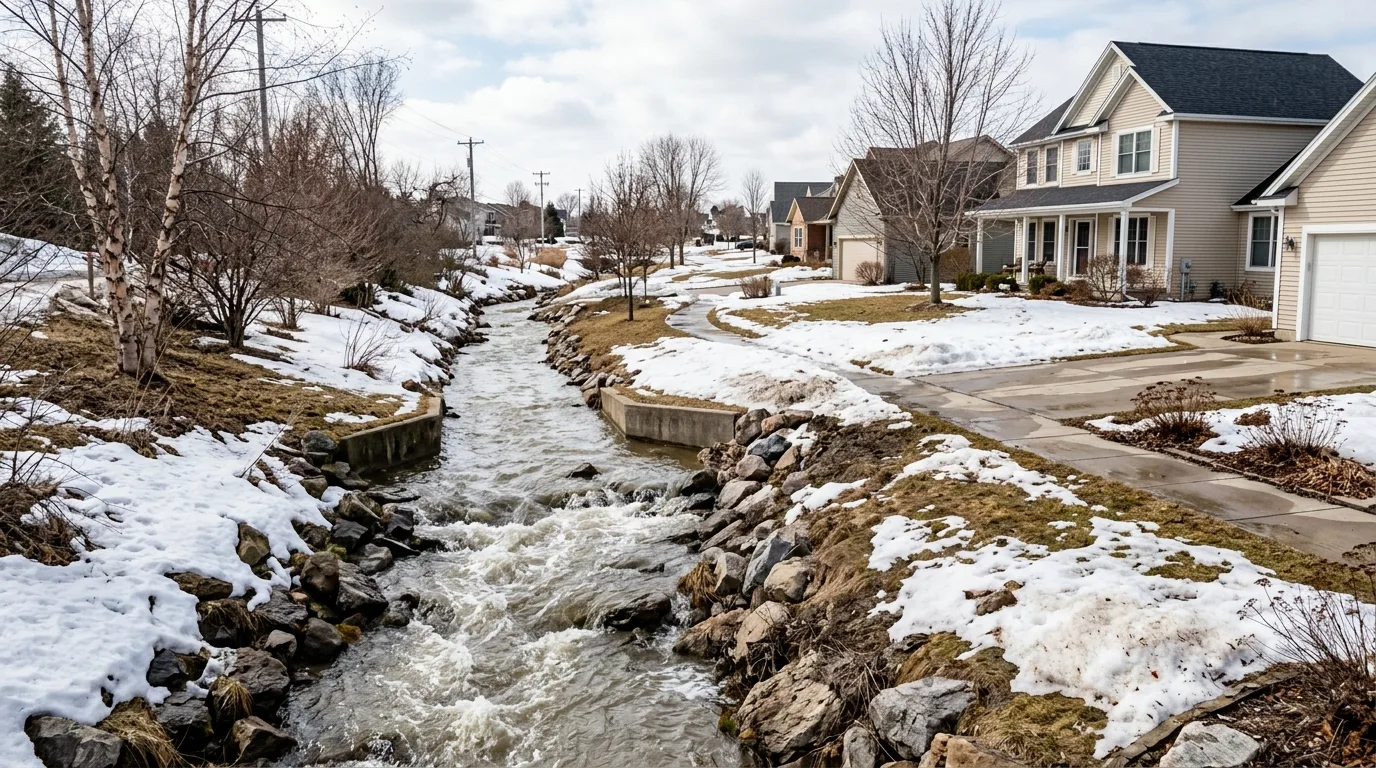
Thanksgiving Point — the 55-acre landmark complex housing Ashton Gardens, the Museum of Ancient Life, and the Butterfly Biosphere — is one of the most recognizable addresses in Lehi. The neighborhoods that surround this landmark, including Thanksgiving Village and Thanksgiving Meadows, are established, desirable residential areas with their own specific set of water damage vulnerabilities. If you own a home in this part of Lehi, this guide is designed to help you understand the local water risk profile and what preparation looks like for your specific area.
In this post, we cover the geographic and infrastructure factors that affect water damage risk near Thanksgiving Point, how Thanksgiving Village and Thanksgiving Meadows compare to other Lehi neighborhoods, what types of water damage are most common here, and how restoration differs from other areas.
Water Damage Near Thanksgiving Point in Lehi?
Local knowledge matters. Call (877) 698-1311 for expert response in this area.
The Thanksgiving Point Area: Geographic Context
The Thanksgiving Point area sits in central-west Lehi, west of I-15 and north of the Thanksgiving Point exit. The elevation is relatively flat compared to east bench developments like Traverse Mountain, which affects drainage patterns — flat terrain means precipitation has less natural slope to drain away from structures, and drainage depends more on engineered systems (storm drains, gutters, grading) than on natural topography.
The proximity to the I-15 corridor and the commercial development around Thanksgiving Point has altered natural drainage patterns in this part of Lehi. Impervious surfaces — parking lots, roads, rooftops — in the commercial areas funnel precipitation into stormwater infrastructure that connects to the same drainage network affecting nearby residential properties. During peak spring precipitation events, this concentrated runoff can overwhelm residential drainage in the Thanksgiving Village area.
Water Damage Risks in Thanksgiving Village and Thanksgiving Meadows
Sump pump dependency: The relatively flat terrain of Thanksgiving Village makes basement sump pump systems more important than in sloped neighborhoods where gravity assists drainage. When a sump pump fails during a power outage — a scenario common in the spring storms that drive Lehi’s peak flood season — basements in this area can flood before backup systems engage. See our sump pump failure guide for system selection and maintenance guidance.
Community pool and drainage infrastructure: Thanksgiving Village’s community pool and associated landscaping create localized drainage infrastructure that can be relevant to adjacent property water management. Community facilities with irrigation systems and pool water management contribute to the local water balance during peak usage periods.
Established tree root intrusion: Thanksgiving Village and Thanksgiving Meadows are more established neighborhoods with mature trees — a feature that adds value but creates sewer lateral risk. Tree roots actively seek water sources and can penetrate sewer laterals through joint gaps, causing blockages that lead to sewage backup. Homes adjacent to established landscaping and street trees should consider periodic sewer camera inspection.
Aging infrastructure: Established neighborhoods have older utility infrastructure — supply lines, sewer laterals, and gas lines — that are closer to the end of their service life than newer developments. Galvanized steel supply lines from 1990s construction are at increased failure risk. A preventive plumbing inspection can identify aging components before they cause a burst pipe event.
Preventive Water Damage Assessment for Thanksgiving Village Homes
Identify vulnerabilities before they become emergencies. Call (877) 698-1311.
How This Area Compares to Other Lehi Neighborhoods
Compared to Jordan Willows and Historic Downtown Lehi, the Thanksgiving Village area carries lower direct flood risk from the Jordan River corridor. It does not face the hillside grading challenges of Traverse Mountain. Its primary risks are more typical of established suburban neighborhoods: aging infrastructure, sump pump dependency, and stormwater management during peak precipitation.
Compared to newer developments like Eagle Mountain and River Point, Thanksgiving Village has the advantage of more stable, settled soil — the expansion and contraction cycles that affect newer construction on disturbed fill soil are less pronounced in neighborhoods where soil has been in its current configuration for 20+ years.
The comparison that is most instructive is to Willow Creek — another central Lehi neighborhood with similar flat-terrain drainage dependency and established infrastructure. Both areas benefit from proactive sump pump maintenance and periodic infrastructure inspection more than from reactive restoration response.
Practical Uses: Water Damage Risk Reduction for This Area
- Annual sump pump test: Fill the pit and confirm the pump activates and empties correctly. Test the battery backup by unplugging the pump and repeating. Thanksgiving Village’s flat terrain makes sump pump reliability more critical than in sloped neighborhoods.
- Sewer camera inspection: If your home was built before 2000 and you haven’t had a camera inspection of your sewer lateral, schedule one. This is particularly relevant near mature street trees.
- Gutter and downspout maintenance: Fall cleaning and spring inspection ensure gutters discharge freely. In flat terrain, blocked gutters overflow against the foundation rather than shedding away from it.
- Interior supply line inspection: Check under kitchen and bathroom sinks, behind washing machines, and behind refrigerators for signs of slow leaks or hose deterioration. Replace washing machine supply hoses that are more than 5 years old.
- Basement door and window seal inspection: Ground-level doors and windows adjacent to the foundation are water entry points during heavy rain. Confirm seals are intact before spring precipitation season.
What Restoration Looks Like in the Thanksgiving Point Area
When we respond to water damage in Thanksgiving Village or Thanksgiving Meadows, the restoration approach follows standard protocols for established residential construction — typically modern framing with drywall, engineered hardwood or carpet flooring, and standard insulation. Drying timelines are consistent with other modern construction: 3–5 days for standard Category 1 events, longer for Category 3 or significant flooding.
One distinguishing factor in this area is the frequency of claims that originate from sump pump failure during spring storms — a scenario where the restoration team responds alongside the sump pump replacement contractor. We coordinate with plumbing and electrical contractors as needed to ensure the sump pump is repaired or replaced while we address the water damage from the failure event.
Reconstruction work in the Thanksgiving Village area follows Lehi City’s 2021 I-Codes requirements and requires permits for structural, electrical, and plumbing work submitted through lehibuilding.portal.iworq.net.
Frequently Asked Questions
Why is sump pump failure such a common issue in the Thanksgiving Village area?
The flat terrain of Thanksgiving Village means that when precipitation exceeds the soil’s ability to drain, water collects against foundations rather than running off. The sump pump is the primary line of defense against this collected water — more so than in hillside neighborhoods where slope provides natural drainage. When a power outage accompanies a storm, homes without battery backup experience basement flooding that wouldn’t occur in more naturally drained terrain.
Are Thanksgiving Village homes at risk from the Thanksgiving Point commercial area drainage?
The commercial development around Thanksgiving Point creates significant impervious surface area that concentrates stormwater. During heavy precipitation events, this runoff enters municipal storm infrastructure that connects to the same system serving residential areas. While the commercial drainage is managed, peak event volumes can challenge system capacity. This is a contributing factor, not the primary risk driver, for residential flooding in this area.
How does water damage near Thanksgiving Point compare to Traverse Mountain restoration?
The primary distinction is the drainage challenge: flat terrain in Thanksgiving Village vs. hillside grading issues in Traverse Mountain. The materials involved are similar for homes of the same era. For a full comparison across Lehi’s neighborhoods, see our new home vs. historic home water damage guide and our Traverse Mountain guide.
Related Resources:
- Water damage restoration Lehi: the complete guide for 2026
- New home vs. historic home: water damage risks across Lehi neighborhoods
- Traverse Mountain water damage: what every homeowner should know
Water Damage Restoration Near Thanksgiving Point in Lehi
Call (877) 698-1311 for fast, professional response throughout Lehi and Utah County.