Spring Runoff in Lehi, UT: How Snowmelt Floods Basements
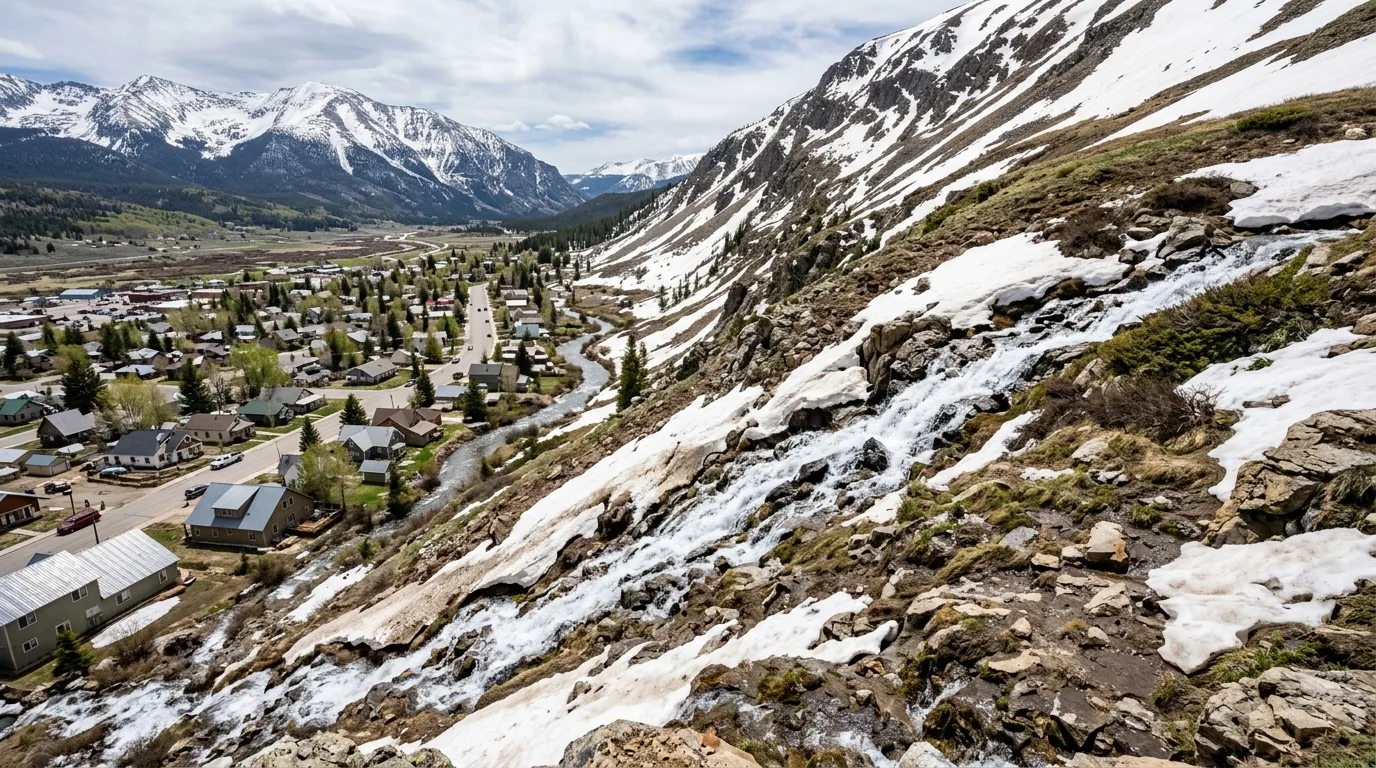
Every March, Lehi homeowners with basements face the same question: is this the year the spring runoff gets into the house? The combination of Wasatch Mountain snowpack releasing over a matter of weeks, heavy spring rainfall arriving at the same time, and Lehi’s clay-rich soil refusing to absorb any of it creates peak flood conditions that are predictable in timing but variable in intensity. In this guide, we explain the mechanics of Lehi’s spring flooding season and what homeowners can do before, during, and after a flood event.
In this post, we cover how spring runoff creates flooding risk in Lehi, which neighborhoods are most vulnerable in March through May, warning signs to watch for, pre-season preparation steps, and what to do when water enters your basement.
Spring Flood Damage in Lehi?
24/7 emergency response for Utah County flooding. Don't wait — call (877) 698-1311 now.
How Spring Flooding Happens in Lehi
Lehi’s flooding season is driven by a convergence of factors that arrive simultaneously in March through May.
Wasatch Mountain snowpack: The mountains east of Lehi accumulate significant snowpack through winter. When spring temperatures rise, this snowpack begins melting from lower elevations upward, releasing millions of gallons of water into streams, rivers, and drainage channels over a period of weeks. The Jordan River, which forms Lehi’s western boundary, receives inflow from this entire region.
Spring rainfall: Utah’s wettest months are March through May, when Pacific moisture systems deliver rain to the valley floor simultaneously with snowmelt. The combination of snowmelt and rainfall is more damaging than either alone because the soil — already saturated from snowmelt — cannot absorb additional rainfall, which then becomes surface runoff.
Clay soil saturation: Lehi’s clay-rich soil becomes fully saturated during prolonged wet periods, reducing its capacity to absorb additional water to near zero. When the soil is saturated, any additional precipitation — whether snowmelt or rainfall — immediately becomes surface flow that seeks the lowest available point. For many Lehi properties, that lowest point is a basement floor drain, window well, or foundation crack.
Sewer system capacity: Heavy spring precipitation can overwhelm municipal storm and sewer infrastructure in Utah County, causing storm drains to back up and — in some cases — combined sewer systems to surcharge into connected properties.
Which Lehi Neighborhoods Face the Highest Spring Flood Risk
Jordan Willows: The highest spring flood risk of any Lehi neighborhood is here, adjacent to the Jordan River floodplain. Spring Jordan River rises create direct flood risk for properties within the floodplain boundary.
Historic Downtown Lehi: Older infrastructure, lower elevation, and pre-1950s construction that lacks modern drainage systems make this area vulnerable during sustained spring precipitation events. Sewer capacity in older neighborhood sections can be stressed during peak spring storms.
River Point and Willow Creek: These central Lehi neighborhoods sit at relatively lower elevations in the valley floor. During prolonged wet periods, the water table rises and can cause seepage through basement walls and floors even without a surface flooding event.
Saratoga Springs (adjacent to Lehi): Homeowners near the Utah Lake shoreline in Saratoga Springs face lake-level rise risk during high-snowpack years when Provo River and tributary inflows raise Utah Lake above normal levels. This affects properties within half a mile of the lake’s western Lehi border area.
Pre-Season Spring Flood Assessment in Lehi
Get your basement and drainage evaluated before March. Call (877) 698-1311.
Warning Signs to Watch for in Late Winter
Rising Jordan River levels: Check current Jordan River gauge readings in late February and early March. A high snowpack year combined with early warm temperatures signals an above-average spring runoff risk.
Sump pump activity: If your sump pump is running more frequently than normal in late February, the water table beneath your basement is already rising — the full spring runoff hasn’t arrived yet. This is your signal to confirm the pump is working correctly and that battery backup is functional.
Ground saturation: When you can’t walk in your yard without water squishing underfoot in March, the clay soil has reached saturation. Additional precipitation will become immediate surface runoff.
Window well water accumulation: Water pooling in window wells before any indoor flooding occurs is an early warning that your home’s exterior drainage is inadequate to handle spring peak conditions.
Pre-Season Preparation Steps
Test your sump pump now — pour water into the pit and confirm the pump activates, discharges properly, and the backup battery engages when you disconnect power. Replace any pump that hesitates or makes unusual sounds. Read our sump pump failure guide for system selection and testing guidance.
Clear gutters and extend downspouts — clogged gutters overflow against the foundation during heavy rain. Downspout extensions that discharge at least 6 feet from the foundation redirect this water safely away. In Lehi, fall gutter cleaning and spring confirmation are both important maintenance steps.
Inspect and clear window well drains — window wells fill rapidly during heavy rain. Most have a drain at the bottom that connects to the foundation drainage system; ensure it’s clear and functional before spring arrives.
Check basement floor drain flow — pour a bucket of water into your basement floor drain and confirm it flows freely. A blocked floor drain is a common cause of basement flooding during the first heavy spring rain event.
What to Do When Spring Floodwater Enters Your Lehi Basement
If water enters your basement during a spring event:
- Do not enter a flooded basement if electrical equipment (water heater, HVAC, panel) may be submerged — shut off electricity at the main panel first.
- Call for professional water extraction immediately — do not try to manage a flooded basement with a consumer wet/dry vac.
- Document the water source and entry point with photos and video before any cleanup begins.
- Move portable items to higher ground if safe to do so.
- Do NOT use fans to dry a basement after a flooding event — fans circulate mold spores without removing moisture. Professional air movers and dehumidifiers are required.
For the complete step-by-step emergency response guide, read our emergency water damage checklist for Lehi homeowners.
Cost and Insurance Considerations
Spring flooding from external sources — groundwater, Jordan River overflow, and direct precipitation — is typically NOT covered by standard homeowners insurance. These are flood events, and coverage requires a separate FEMA National Flood Insurance Program policy. Standard policies cover sudden and accidental internal water damage (burst pipes, appliance failures) but not groundwater intrusion or surface flooding from precipitation.
If you’re in a higher-risk zone near the Jordan River corridor or near Utah Lake, read our homeowner insurance guide for water damage in Lehi to understand your coverage gaps and the cost of adding flood coverage.
Frequently Asked Questions
How long does Lehi’s spring flooding season last?
Peak spring flooding risk in Lehi runs approximately March through May, with the exact peak depending on snowpack size and spring temperatures. A high-snowpack year with a rapid temperature rise in March (a “flash melt”) can create the highest-volume events in early March. A cool spring with gradual warming spreads runoff over more weeks at lower intensity. June is generally past peak, though isolated heavy rainstorms can cause localized flooding through summer.
Is spring flooding in Lehi getting worse?
Lehi’s rapid growth — 60% population increase between 2010 and 2020 — has increased the amount of impervious surface (roads, roofs, parking lots) throughout the city. Impervious surfaces prevent soil absorption and increase surface runoff volumes, meaning the same precipitation event produces more runoff than it did 20 years ago. This trend means historically unflooded properties may now experience flooding as the urban environment continues to develop.
How do I know if my sump pump can handle a spring flooding event?
Test it manually: fill the pit with water and confirm the pump activates, empties the pit quickly, and that the discharge line is clear. If the pump takes more than 3–4 minutes to empty a full pit, it may be undersized for your water table conditions. During a spring event, sump pumps in Lehi run nearly continuously — if yours runs for 20 minutes and then stops for 40 minutes, it has adequate capacity. If it runs continuously without keeping pace with inflow, it’s undersized.
Related Resources:
- Water damage restoration Lehi: the complete guide for 2026
- Is your Lehi home at flood risk? Flood zones and preparation guide
- Emergency water damage checklist for Lehi homeowners
Spring Flood Preparation for Lehi Homeowners
Don't wait until March to assess your flood risk. Call (877) 698-1311 for a professional drainage and sump pump assessment now.