Sewage Backup in Lehi, UT: Causes, Risks & Cleanup
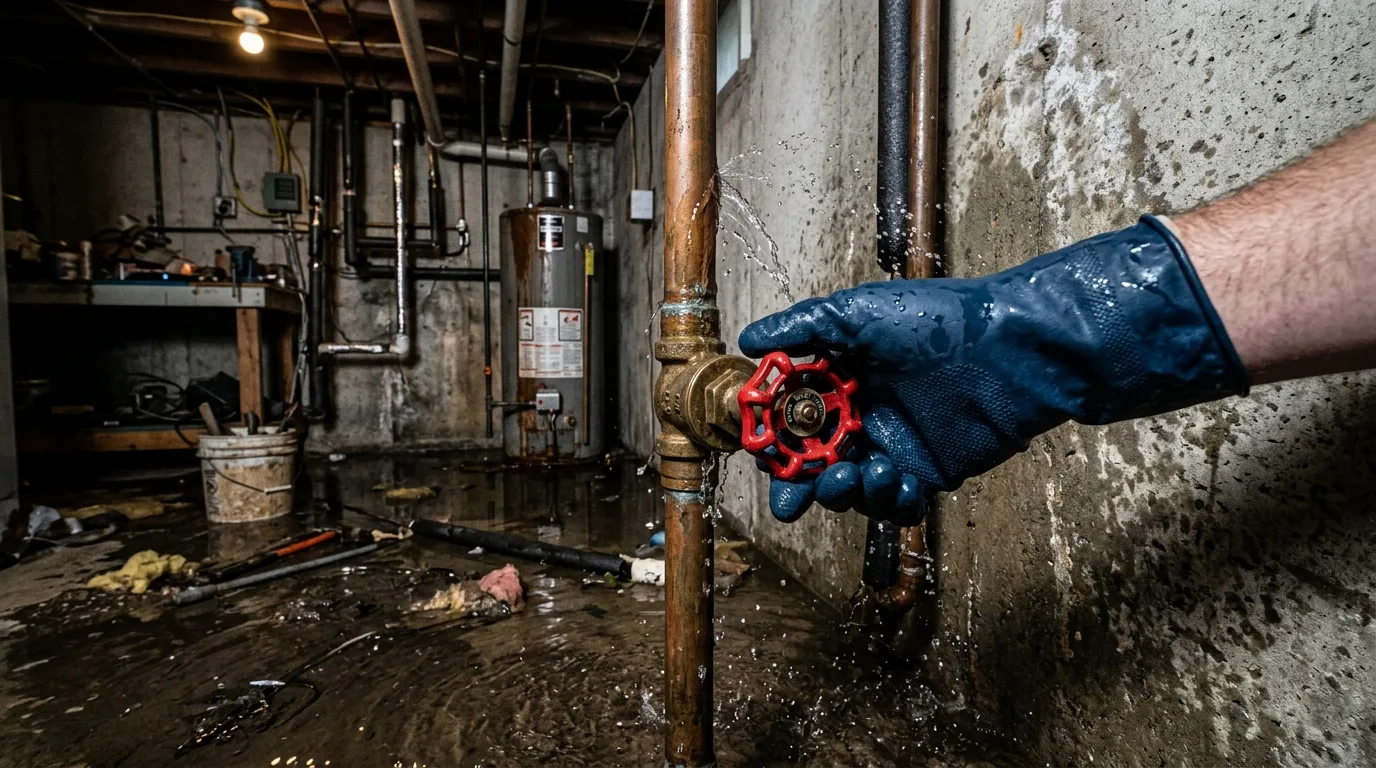
A sewage backup is the water damage scenario that requires the most urgent professional response and the strictest cleanup protocols. Unlike a clean-water pipe burst or even a flooded basement from spring runoff, sewage backup introduces Category 3 black water — contaminated with bacteria, viruses, and parasites — directly into your living space. Lehi homeowners who attempt to clean sewage backup themselves face serious health risks and often make the contamination worse by spreading it. In this guide, we cover why sewage backups happen in Lehi, what health risks they create, and what proper professional cleanup involves.
In this post, we cover sewage backup causes specific to Lehi, the health hazards of Category 3 water, what professional cleanup involves, how insurance handles sewage events, and how to prevent future backups.
Sewage Backup in Your Lehi Home?
Leave the area and call immediately. 24/7 biohazard response throughout Utah County. (877) 698-1311.
Why Sewage Backups Happen in Lehi
Several factors specific to Lehi create elevated sewage backup risk compared to cities with younger, more uniform infrastructure.
Aging sewer infrastructure in older neighborhoods: Lehi’s historic core — particularly around Historic Downtown Lehi — has sewer infrastructure that predates the city’s current population by decades. Cast iron and clay tile sewer pipe from mid-20th-century construction corrodes, develops root intrusion, and collapses under the load of Lehi’s 60% population growth over the past 15 years. Homes on the original sewer system face backup risk whenever heavy spring precipitation creates municipal sewer volume spikes.
Clay soil movement and sewer lateral damage: The same expansive clay soil that shifts foundations also stresses buried sewer laterals — the pipes connecting your home to the municipal main. Seasonal swelling and contraction of Utah County clay applies lateral pressure to pipe joints that can cause separation, cracking, and root intrusion pathways. A sewer lateral failure is often discovered only when sewage backs up into the home.
Spring storm sewer surcharges: During peak spring precipitation events, municipal sewer systems can receive 3–5 times their normal design flow as stormwater enters sewer systems through cracks, cleanouts, and combined sewer overflow points. When the sewer main reaches capacity, water moves in the only available direction: back toward homes connected to that main. Properties at lower elevations in the sewer system — which are often older, lower-lying neighborhoods — receive this surcharge first.
Blockages in the main drain: Roots, grease buildup, and debris accumulation in the main sewer lateral can cause localized backup independent of municipal capacity. This is a property-specific issue that affects homes throughout Lehi, not just those in older neighborhoods.
The Health Risks of Sewage Exposure
Category 3 black water contains pathogenic microorganisms that pose serious health risks with minimal exposure.
Bacterial pathogens: Escherichia coli (E. coli), Salmonella, and Shigella are common sewage contaminants that cause gastrointestinal illness. Even skin contact with sewage water without subsequent washing creates exposure risk.
Viral pathogens: Hepatitis A, norovirus, and rotavirus are viable in sewage and can be transmitted through contaminated surfaces hours after the sewage event. These viruses survive on porous surfaces like drywall and carpet, which is why all porous materials that contact sewage must be removed and replaced — not cleaned.
Parasitic organisms: Giardia and Cryptosporidium are sewage-borne parasites that cause severe gastrointestinal illness. They are resistant to standard cleaning agents, requiring EPA-registered antimicrobial products specifically effective against these organisms.
Inhalation risks: Sewage releases hydrogen sulfide and methane gases that are toxic at elevated concentrations. In enclosed spaces like basements, these gases can accumulate to dangerous levels. Respiratory protection is mandatory for anyone entering a sewage-affected space.
Sewage Cleanup — Biohazard Certified Lehi Team
We have the equipment and protocols to safely remove sewage from your Utah County property. Call (877) 698-1311.
What Professional Sewage Cleanup Involves
Sewage cleanup is not a standard water restoration job. It is a biohazard remediation project that requires full personal protective equipment, specific equipment protocols, and regulatory-compliant disposal.
Containment and PPE: Before entering the affected area, technicians don full Tyvek suits, N95 or P100 respirators, nitrile gloves, and rubber boots. The affected area is sealed with plastic sheeting to prevent cross-contamination to unaffected areas of the home.
Extraction with dedicated equipment: Sewage is extracted using pumps and wet extractors that are dedicated to Category 3 use — never used for clean-water jobs. Mixing equipment increases cross-contamination risk.
Complete porous material removal: All porous materials that contacted sewage — drywall, insulation, carpet, pad, and contaminated wood — are removed and double-bagged as biohazardous waste. These materials cannot be cleaned; they must be removed and replaced.
Antimicrobial treatment: All structural surfaces that can be retained are treated with EPA-registered antimicrobial products effective against the full spectrum of sewage pathogens. Multiple applications may be required.
Air scrubbing: HEPA air scrubbers run throughout the remediation process to remove airborne contaminants and maintain indoor air quality for technicians.
Post-remediation verification: After cleanup, surface swabs or air samples confirm that pathogen levels have returned to baseline before the area is cleared for reconstruction.
See our sewage cleanup service page for the full service scope and what to expect for Lehi properties.
Types of Sewage Backup Events
- Main line blockage backup: Occurs when the main sewer lateral from your home is blocked, causing backup through the lowest-point fixtures (usually floor drains and basement toilets)
- Municipal sewer surcharge: Occurs during peak precipitation events when the city sewer main exceeds capacity — can affect multiple homes on the same sewer main simultaneously
- Septic system overflow: Affects homes on private septic in rural Lehi areas when tanks exceed capacity or drain fields fail during wet periods
- Cross-connection failure: Occurs when storm drain systems and sanitary sewers are connected (more common in older infrastructure) and storm surges drive sewage through the sanitary system
How to Prevent Future Sewage Backups in Lehi
Camera inspection of your sewer lateral: A licensed plumber can run a camera through your sewer lateral to identify root intrusion, cracks, and joint separation before they cause a backup. Homes over 20 years old in Lehi, particularly in older neighborhoods, benefit from this preventive inspection every 3–5 years.
Install a backwater valve: A backwater valve (also called a check valve) prevents municipal sewer surcharges from entering your home by allowing flow only in one direction — out of the home, never back in. Lehi City’s Building and Inspection Department can advise on permit requirements for backwater valve installation at lehibuilding.portal.iworq.net.
Avoid putting grease and non-flushables down drains: Grease accumulation and “flushable” wipes (which are not) are among the most common causes of localized blockages in Lehi residential sewer laterals.
Frequently Asked Questions
Can I clean up sewage backup myself in Lehi?
Only for very small amounts — a toilet overflow confined to a tile bathroom floor that can be cleaned with proper PPE (gloves, eye protection, mask) and EPA-registered disinfectant. Any sewage that has spread to carpet, drywall, sub-flooring, or adjacent rooms requires professional remediation. The health risks of inadequate cleanup are serious, and the liability implications of improper disposal are significant.
Does homeowners insurance cover sewage backup in Lehi?
Standard homeowners policies typically exclude sewage backup unless a specific sewer backup endorsement has been added to the policy. This endorsement costs $50–$100/year and adds $5,000–$25,000 in coverage — a worthwhile addition for most Lehi homeowners given the spring storm risk. Read our insurance guide for Lehi water damage for coverage details.
How soon can sewage backup in Lehi make occupants sick?
Health effects from sewage exposure can manifest within hours for acute bacterial infection and within days for viral illness. Children, elderly individuals, and immunocompromised occupants are at higher risk for severe illness. If occupants were exposed to sewage water or spent time in a sewage-affected space before the area was properly cleaned, consult a physician regardless of whether symptoms are present.
Related Resources:
- Water damage restoration Lehi: the complete guide for 2026
- Emergency water damage checklist for Lehi homeowners
Sewage Backup Cleanup in Lehi — Certified, Safe, Fast
Category 3 biohazard response throughout Utah County. Call (877) 698-1311 immediately.